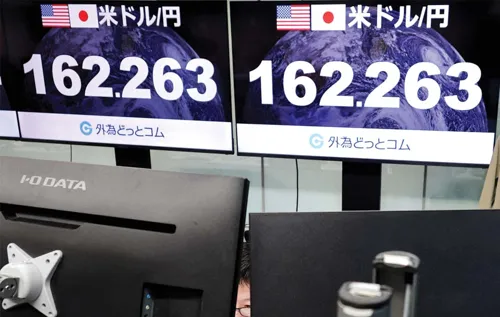
The US and Japan jointly intervened on 31 July to prop up the yen, which had nearly hit 164 per dollar, and it recovered to 155-157. By 11 August it had slid back to 159.39. Analysts say the gap between US and Japanese bond yields (10-year 4.686% vs 2.846%) still drives yen carry trades, and the Bank of Japan's September meeting is the key event. For a Thai business, the practical signal is that the yen may stay weak or volatile, which matters if you import from or pay in Japan, or compete with Japanese goods. Watch the September BOJ decision before changing pricing or currency hedges.